Maximize Productivity with Proper Office Lighting Strategies for Success
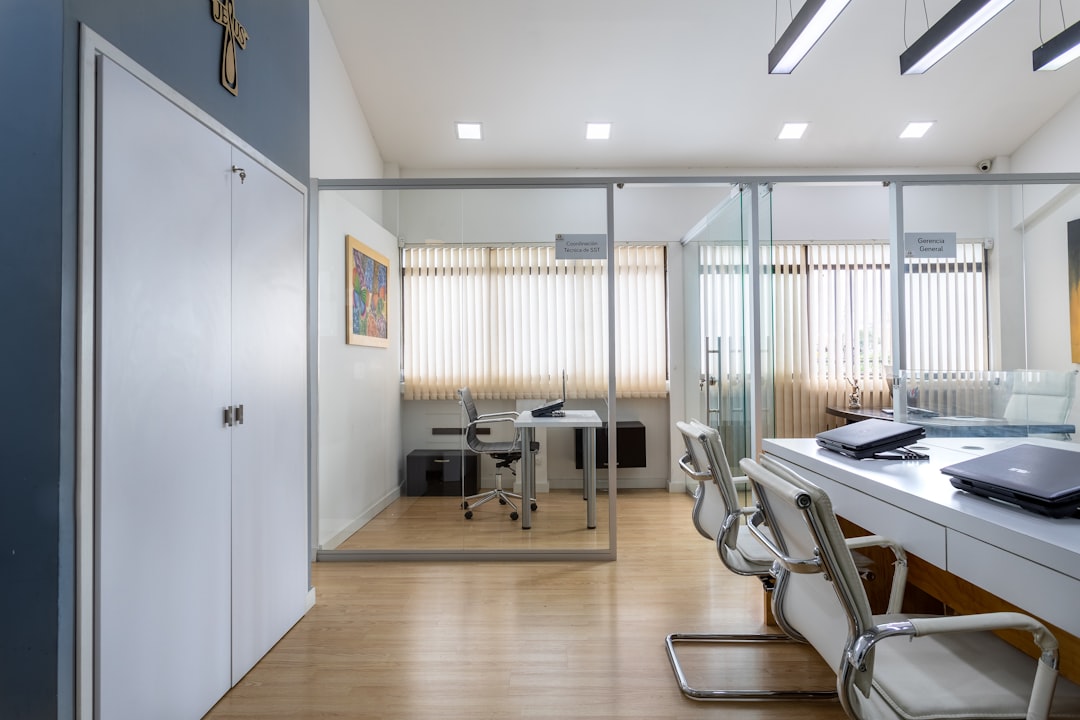
Effective office lighting is crucial for maximizing productivity and ensuring employee well-being. In today’s fast-paced work environment, the right lighting can significantly impact focus, mood, and overall performance. By implementing proper lighting strategies, businesses can create a more conducive workspace that not only enhances productivity but also promotes a healthier work atmosphere.
Understanding the Importance of Office Lighting
Office lighting plays a vital role in influencing employee productivity and comfort. Poor lighting can lead to eye strain, headaches, and decreased motivation, which ultimately affects work output. Conversely, well-designed lighting can improve concentration and reduce fatigue, allowing employees to perform at their best. In a recent case study in Springfield, companies that upgraded their lighting systems reported a 20% increase in employee productivity within just three months.
Moreover, the psychological effects of lighting cannot be overlooked. Natural light, for instance, has been shown to boost mood and energy levels, leading to higher job satisfaction. By incorporating energy-efficient lighting solutions, businesses not only save on energy costs but also create a more inviting and stimulating environment for their teams.
Energy-Efficient Lighting Solutions
Transitioning to energy-efficient lighting solutions is one of the most impactful changes a business can make. LED lights, for example, consume significantly less energy than traditional incandescent bulbs and have a longer lifespan. This means lower electricity bills and reduced maintenance costs over time. In the same Springfield case study, businesses that switched to LED lighting saw a 30% reduction in energy costs, allowing them to allocate those savings to other important areas.
Additionally, energy-efficient lighting contributes to sustainability efforts, which are increasingly important to consumers and employees alike. By adopting these solutions, companies can enhance their corporate social responsibility profile, attracting talent and clients who value environmental stewardship.
Decorative Lighting Fixtures for Aesthetic Appeal
While functionality is key, the aesthetic aspect of office lighting should not be neglected. Decorative lighting fixtures can enhance the overall design of a workspace, making it more appealing and inspiring. Thoughtfully chosen fixtures can reflect a company’s brand identity and create a unique atmosphere that resonates with employees and clients. In a recent renovation project in downtown Springfield, a tech startup incorporated modern decorative lighting, resulting in a 15% increase in client visits and engagement.
Moreover, decorative lighting can help define different areas within an office, such as collaborative spaces, quiet zones, and break areas. This zoning not only improves the flow of the workspace but also encourages employees to utilize different areas according to their needs, fostering creativity and collaboration.
Lighting Maintenance Services for Longevity
Regular maintenance of lighting systems is essential to ensure longevity and optimal performance. Neglecting maintenance can lead to flickering lights, uneven illumination, and increased energy consumption. By investing in professional lighting maintenance services, businesses can avoid these issues and maintain a consistent lighting environment. In Springfield, companies that engaged in regular maintenance reported a 25% decrease in lighting-related complaints from employees.
Additionally, a well-maintained lighting system can enhance safety in the workplace. Properly functioning lights reduce the risk of accidents and injuries, contributing to a safer working environment. This not only protects employees but also helps businesses avoid potential liabilities and associated costs.
Smart Lighting Control Systems for Flexibility
Implementing smart lighting control systems can further enhance the effectiveness of office lighting strategies. These systems allow for customizable lighting settings that can be adjusted based on the time of day, occupancy, or specific tasks. For instance, brighter lighting can be used during peak working hours, while softer lighting can create a more relaxed atmosphere during breaks. In Springfield, businesses that adopted smart lighting reported a 10% increase in employee satisfaction due to the flexibility and control over their work environment.
Moreover, smart lighting systems can be integrated with other building management systems, providing comprehensive control over energy usage and enhancing overall efficiency. This integration not only leads to cost savings but also supports sustainability initiatives, aligning with the values of modern consumers and employees.