
Understanding Different Types of Light Bulbs and Their Best Uses
Choosing the right light bulb can significantly impact your energy consumption, ambiance, and overall satisfaction with your lighting solutions. With various types of light bulbs available, understanding their unique characteristics and best uses is essential for making informed decisions. This guide will explore different types of light bulbs, their benefits, and how to select the best options for your needs.
Incandescent Bulbs
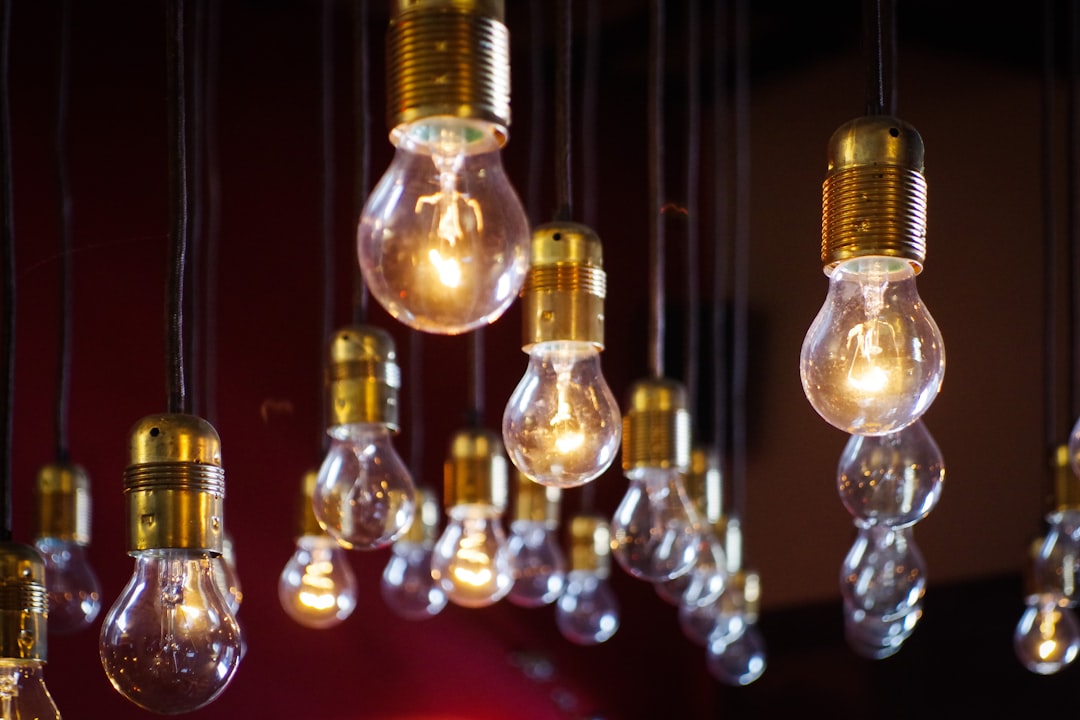
Incandescent bulbs are the traditional light bulbs that have been used for over a century. They produce light by heating a filament until it glows, providing a warm and inviting glow that many people find appealing. However, they are not the most energy-efficient option, as a significant amount of energy is lost as heat rather than light, making them less suitable for long-term use in energy-conscious environments.
Despite their inefficiency, incandescent bulbs are still popular for their affordability and ease of use. They are available in various shapes and sizes, making them versatile for different fixtures. If you are looking for a quick and inexpensive solution for temporary lighting needs, incandescent bulbs can be a suitable choice, but consider transitioning to more energy-efficient options for long-term savings.
Compact Fluorescent Lamps (CFLs)
Compact fluorescent lamps (CFLs) are a more energy-efficient alternative to incandescent bulbs. They use a fraction of the energy to produce the same amount of light, which can lead to significant savings on your electricity bill. CFLs are designed to last longer than traditional bulbs, making them a cost-effective choice for homeowners and businesses alike.
However, CFLs do have some drawbacks. They take a few moments to reach full brightness and may not be suitable for use in enclosed fixtures. Additionally, they contain a small amount of mercury, which requires careful disposal. Despite these concerns, CFLs remain a popular choice for those looking to reduce energy consumption and environmental impact.
Light Emitting Diodes (LEDs)
Light emitting diodes (LEDs) are rapidly becoming the preferred lighting solution for many consumers due to their exceptional energy efficiency and longevity. LEDs use up to 80% less energy than incandescent bulbs and can last up to 25 times longer. This makes them an ideal choice for both residential and commercial applications, as they significantly reduce energy costs and maintenance efforts.
In addition to their efficiency, LEDs are available in a wide range of colors and brightness levels, allowing for greater customization in lighting design. They are also more durable than traditional bulbs, making them less prone to breakage. With their numerous advantages, investing in LED lighting can enhance your space while providing substantial savings over time.
Halogen Bulbs
Halogen bulbs are a type of incandescent bulb that uses halogen gas to increase efficiency and lifespan. They produce a bright, white light that is ideal for task lighting and accent lighting. Halogen bulbs are often used in track lighting, recessed fixtures, and outdoor lighting applications due to their ability to produce a high-quality light output.
While halogen bulbs are more efficient than traditional incandescent bulbs, they still consume more energy than CFLs and LEDs. They also generate a significant amount of heat, which can be a concern in certain applications. If you are looking for bright, focused lighting for specific tasks, halogen bulbs can be an excellent choice, but consider the energy implications for broader use.
Step-by-step plan:
Step 1: Assess your lighting needs based on the space and activities. Step 2: Research the different types of light bulbs available and their energy efficiency ratings. Step 3: Consider the ambiance you want to create and choose bulbs that match your aesthetic preferences. Step 4: Make an informed decision and install your chosen lighting solutions for optimal performance.